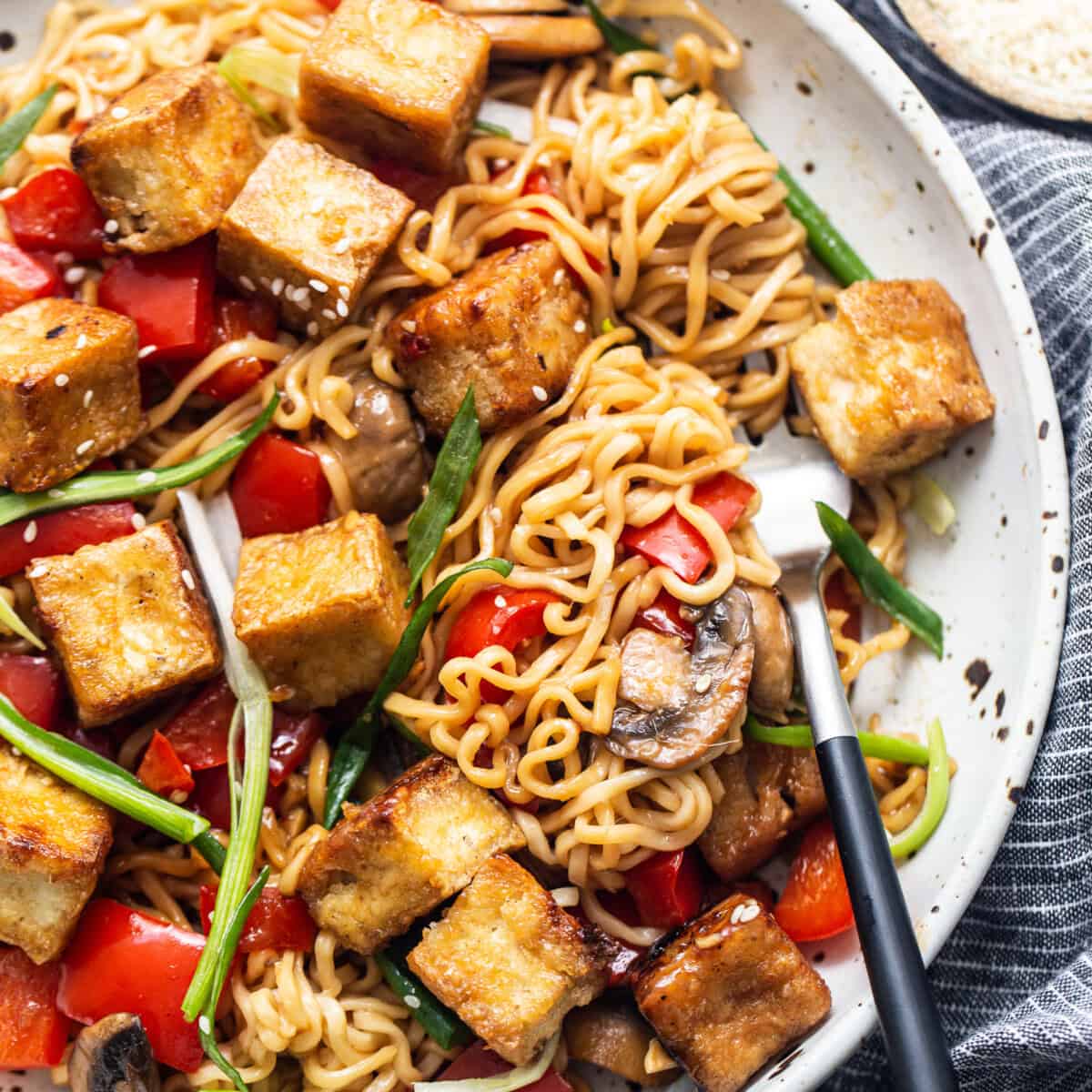
No More Bland Tofu: Your Guide to Crispy Stir Fry Perfection
For many, the mention of "tofu" conjures images of bland, rubbery cubes swimming in a watery sauce. If this describes your past experiences, you're not alone. Venturing into the world of plant-based cooking, especially when it comes to a truly satisfying tofu stir fry, can feel like conquering a culinary Everest. But what if we told you that achieving perfectly crispy, flavorful tofu in a vibrant stir fry is not only possible but also surprisingly simple? It's about unlocking the magic of proper preparation and a killer sauce, transforming a mundane weeknight meal into a celebration of fresh, dynamic flavors. This guide is your passport to making an exceptional tofu stir fry – a dish that’s quick, healthy, incredibly versatile, and anything but bland.
The Foundation: Why Your Tofu Stir Fry Deserves Better
A truly exceptional tofu stir fry isn't just about tossing some vegetables and tofu into a hot pan. It’s a carefully orchestrated symphony of textures and flavors, designed to deliver a wholesome and deeply satisfying meal. At its core, a stellar tofu stir fry recipe hinges on a few key principles: preparing the tofu correctly, selecting vibrant and complementary vegetables, and, of course, crafting a sensational sauce. We’ll delve into each of these components, offering practical advice and insights to elevate your stir-fry game from good to absolutely stellar.
Decoding Tofu: Your Culinary Canvas
Before we even think about chopping vegetables, let's talk about the star of our show: tofu. This versatile plant-based protein, made from soybeans, might seem unassuming on its own. However, its true brilliance lies in its remarkable ability to absorb flavors and its wonderfully adaptable texture. Think of it as a sponge, ready to soak up all the deliciousness you throw its way. But here's the crucial insight: not all tofu is created equal, and choosing the right type is paramount for a successful, crispy tofu stir fry.
Choosing the Right Tofu for Crispy Results
The type of tofu you select is the first critical step toward achieving that coveted crispy exterior. Forget the softer varieties; for stir-frying, firmness is your friend.
*
Extra-Firm Tofu: This is unequivocally the go-to for stir-fries. With its significantly lower water content, extra-firm tofu holds its shape beautifully under high heat and is most likely to develop that delightful crispy crust we crave. It’s also robust enough to withstand vigorous stirring without crumbling.
*
Firm Tofu: A solid alternative if extra-firm isn't readily available. However, it will require a bit more pressing to remove excess moisture. While it can still yield a satisfying texture, it might not achieve the same level of crispiness as its extra-firm counterpart.
*
Medium Tofu: While occasionally used, medium tofu is generally too soft for a truly crispy stir fry. It's more prone to breaking apart and won't develop the desired exterior texture. This variety is better suited for dishes where a softer, more delicate tofu is preferred.
*
Silken Tofu: This is the softest variety, almost custard-like in consistency, and is absolutely not suitable for stir-frying. Its delicate texture is best reserved for creamy sauces, smoothies, or desserts.
The reason firmness matters so much comes down to water content. Too much water in the tofu means it will steam in the pan rather than fry, leading to that dreaded mushy texture that has likely plagued your previous tofu endeavors.
Mastering the Tofu Transformation: From Bland to Golden Crisp
This is where many home cooks falter, leading to soggy, uninspired tofu. But fear not! With a few simple steps, you can transform humble tofu into the delightful, textural component your stir fry deserves. My own journey with tofu was a revelation once I mastered these techniques – it truly is a game-changer for any
easy & healthy tofu stir fry recipe.
The Golden Rule: Pressing Your Tofu
This is arguably the single most important step for crispy tofu. Tofu is packed with water, and if you don't remove it, it will release steam, preventing any browning or crisping.
*
Why Press? When tofu releases water into a hot pan, it lowers the oil temperature and creates steam, effectively boiling rather than frying the tofu. Pressing removes this excess moisture, allowing the tofu to crisp up beautifully.
*
How to Press:
*
Tofu Press: If you cook tofu often, an inexpensive tofu press is a fantastic investment. It’s efficient and mess-free.
*
DIY Method: Wrap the block of tofu in several layers of paper towels or a clean kitchen towel. Place it on a plate, then put something heavy on top (e.g., another plate topped with a few cans of food or a heavy cookbook).
*
Duration: Aim for at least 30 minutes, but an hour or more is even better, especially for firm tofu. You’ll be surprised how much water comes out!
Cutting and Seasoning for Optimal Crispiness
Once pressed, your tofu is ready for its transformation.
*
Cutting: Cut the tofu into uniform, bite-sized pieces. Cubes (3/4 to 1-inch), triangles, or rectangular slabs all work well. Uniformity ensures even cooking and browning.
*
Seasoning: For an extra layer of crispiness and flavor, lightly toss the pressed and cut tofu with 1-2 tablespoons of cornstarch (or arrowroot powder) and a pinch of salt and pepper. The cornstarch creates a thin, dry coating that becomes incredibly crispy when fried, almost like a light batter. This step is a secret weapon for achieving truly golden, crunchy results.
Cooking the Tofu: Achieving That Perfect Sear
Now for the actual cooking! This is where you bring out the golden goodness.
*
Oil Choice: Use a high smoke point oil such as sesame oil, avocado oil, grapeseed oil, or peanut oil. Don't be shy with the oil – you need enough to coat the bottom of your pan.
*
Heat Management: Preheat your pan or wok over medium-high to high heat. The pan needs to be hot before the tofu goes in.
*
The Frying Technique:
1. Add oil to the hot pan and let it shimmer.
2. Carefully add the tofu in a single layer, ensuring not to overcrowd the pan. If necessary, cook in batches. Overcrowding lowers the pan temperature, leading to steaming instead of crisping.
3. Let the tofu cook undisturbed for 4-6 minutes per side, or until deeply golden brown and crispy. Resist the urge to poke or flip it too early; patience is key here.
4. Once all sides are golden, remove the crispy tofu from the pan and set it aside. It will be added back into the stir fry at the very end to maintain its texture.
For more in-depth techniques on preparing perfect tofu and crafting exquisite sauces, check out our comprehensive guide:
Master Tofu Stir Fry: The Ultimate Guide to Perfect Tofu & Sauce.
Beyond Tofu: Crafting Your Ultimate Stir Fry Ensemble
While crispy tofu is the star, a great stir fry is a team effort. The vegetables and sauce play crucial supporting roles, adding color, crunch, and complex flavors.
The Vegetable Medley: Color, Crunch, and Nutrients
This is where the "clean-out-the-fridge" philosophy truly shines. A stir fry is incredibly versatile; almost any combination of vegetables can work.
*
Selection for Success:
*
Quick-Cooking Veggies: Bell peppers (any color), snap peas, mushrooms, baby corn, bok choy, spinach, bean sprouts. These should be added later in the cooking process.
*
Slower-Cooking Veggies: Broccoli florets, carrots (julienned or thinly sliced), onions, green beans. These benefit from a head start in the wok.
*
Preparation: Wash and chop all your vegetables into uniform, bite-sized pieces. This ensures even cooking.
*
Fresh vs. Frozen: Fresh vegetables are ideal for optimal texture and flavor. If using frozen, thaw them thoroughly and drain any excess water before adding them to the pan to avoid making your stir fry watery.
The Heart of the Flavor: Your Stir Fry Sauce
A sensational sauce elevates your stir fry from good to unforgettable. It coats every ingredient, infusing the dish with savory, sweet, and sometimes spicy notes.
*
Essential Components: A classic stir fry sauce typically includes soy sauce (or tamari for gluten-free), a touch of sweetener (honey, maple syrup, brown sugar), rice vinegar for acidity, aromatic ginger and garlic, and often sesame oil for nutty depth.
*
Thickening Agent: A cornstarch slurry (1 part cornstarch to 2 parts cold water) whisked into the sauce before adding it to the pan is key for achieving that glossy, thick coating that clings beautifully to the tofu and vegetables.
*
Pre-Mix for Success: Always whisk all your sauce ingredients together in a bowl *before* you start cooking. This way, it's ready to pour in when needed, preventing frantic scrambling and ensuring even incorporation. For even more sauce ideas and ratios, refer back to our
Ultimate Guide to Perfect Tofu & Sauce.
Bringing It All Together: Your Stir Fry Workflow
With your tofu perfectly crispy, your vegetables prepped, and your sauce mixed, it's time to bring everything together in a delicious crescendo.
The Stir-Frying Technique
*
Equipment: A large wok is traditional and ideal for its high heat distribution and sloped sides. However, a large, heavy-bottomed skillet or cast-iron pan will also work perfectly well. High heat is non-negotiable!
*
The Sequence:
1.
Aromatics: In the same pan (or wok) you used for the tofu, add a little more oil if needed. Sauté minced garlic and ginger for about 30 seconds until fragrant. Don't burn them!
2.
Slower-Cooking Vegetables: Add vegetables like broccoli, carrots, and onions. Stir-fry for 2-3 minutes until they start to tender-crisp.
3.
Quicker-Cooking Vegetables: Toss in bell peppers, snap peas, mushrooms, etc. Stir-fry for another 1-2 minutes until they are bright and crisp-tender.
4.
Return Tofu: Add your reserved crispy tofu back into the pan with the vegetables.
5.
Sauce Time: Give your pre-mixed sauce a quick whisk (to re-incorporate the cornstarch) and pour it over everything in the pan. Stir constantly for about 1-2 minutes until the sauce thickens and coats all the ingredients beautifully.
*
Pro Tip: Work quickly and don't overcrowd the pan. If you have a large quantity of vegetables, consider stir-frying them in batches to maintain high heat and prevent steaming.
Serving Suggestions & Variations
Your crispy tofu stir fry is best enjoyed immediately!
*
Serving: Serve it hot over fluffy jasmine rice, brown rice, quinoa, rice noodles, or even cauliflower rice for a low-carb option.
*
Garnish: Elevate your presentation and flavor with a sprinkle of sesame seeds, freshly chopped scallions, a handful of cilantro, or a dash of chili flakes for extra heat.
*
Variations: Experiment with different vegetable combinations, add toasted cashews or peanuts for extra crunch, or try various proteins like chicken or shrimp for a mixed stir fry. For a truly speedy weeknight meal, remember that a fantastic tofu stir fry can be ready in
under 30 minutes with proper prep!
Conclusion
You now possess the knowledge and techniques to banish bland, rubbery tofu from your kitchen forever. From understanding the importance of extra-firm tofu and the magic of pressing, to mastering the crispy sear and assembling a vibrant vegetable medley with a killer sauce, every step contributes to a truly exceptional meal. Embracing these principles will transform your tofu stir fry from a simple dinner into a celebrated feast of flavors and textures. So, grab your wok, choose your favorite veggies, and get ready to create a dish that’s not just healthy and easy, but also unbelievably delicious and satisfyingly crispy. Happy stir-frying!